
If you’re a military family, PCS (Permanent Change of Station) is something you can’t avoid. Moving to a new place can be exciting, but the preparation process is never easy. Especially when relocating with family, there are countless details to manage. Having gone through multiple PCS moves, my family learned a lot through trial and error. In this post, I want to share some useful tips to help make your PCS process smoother with a step-by-step guide.
1. What is PCS?
PCS is an order issued when a service member is assigned to a new duty station, often requiring the entire family to relocate. This typically happens every 2 to 4 years and can be classified as either a domestic move (CONUS) or an overseas move (OCONUS). It required far more paperwork and preparation. For overseas PCS moves, additional considerations such as visa applications and cultural adjustments make thorough preparation even more essential.
2. Essential Preparations Before PCS
✅Check Your Orders
The first step in preparing for a PCS is receiving your orders. Carefully review the details, including the move date, destination, and whether your family is authorized to relocate with you. Orders can sometimes be delayed, so it’s a good idea to anticipate the approximate timeline and start preparing in advance. As soon as you receive your orders, it’s best to contact the TMO (Transportation Management Office) immediately to start coordinating your move.
✅Declutter and Organize Belongings
Before a PCS, decluttering is crucial. Sorting items into categories—what to take, discard, or store—will make unpacking at your new duty station much easier. Selling items through second-hand marketplaces or donating unused belongings can help lighten the load. Additionally, keeping essential documents organized and easily accessible during the move is important.
Tip: Many military families avoid purchasing expensive furniture because PCS moves often result in damages. While adopting a minimalist lifestyle can be a practical approach, every family’s needs are different. It’s best to plan wisely and furnish your home in a way that balances practicality and comfort.
✅Choosing Your Moving Option
When preparing for a PCS, you have two main moving options:
- Government-Assisted Move (TMO – Transportation Management Office): A moving company contracted by the military will handle packing, transportation, and delivery. This option is convenient but may require flexibility with scheduling.
- DIY Move (DITY/PPM – Personally Procured Move): You manage the move yourself, including packing, transporting, and unloading. The military reimburses a portion of the costs, which can sometimes result in extra savings if planned efficiently. This option offers more control but requires extra effort.
3. Differences Between CONUS and OCONUS PCS Moves
✅Domestic Move (CONUS PCS)
- If using a government-contracted moving company, household goods typically arrive within 1 to 3 weeks.
- If opting for a DIY move, you can rent a U-Haul or similar truck and may receive reimbursement based on the travel distance.
- No need for vehicle shipping—most families drive their own cars to the new duty station.
- State laws may differ between your current and new location, so vehicle registration and driver’s license updates may be required.
✅Overseas Move (OCONUS PCS)
- Shipping household goods can take 1 to 3 months or longer, so you’ll need to pack essentials separately for the transition period.
- You may need to ship your vehicle, which can be done through a government-approved service, though the process can be complex.
- Additional administrative tasks include visa applications, residency permits, and health insurance adjustments.
- If you have pets, research quarantine and entry regulations in advance, as requirements vary by country.
4. Shipping Process for an OCONUS PCS
When moving overseas, your household goods cannot be shipped all at once. Instead, they are divided into two categories: Unaccompanied Baggage (UB), which is sent by air, and Household Goods (HHG), which are shipped by sea. Understanding the differences between these shipments can help you prepare efficiently.
📌Unaccompanied Baggage (UB) – Air Shipment
UB arrives relatively quickly, usually within a few weeks after your move, but it has weight restrictions and should only include essential items.
✅ Recommended Items:
- Basic kitchen supplies (small pot, frying pan, minimal dishware)
- Bedding (blankets, pillows)
- Baby and pet supplies (toys, diapers, pet food)
- A limited selection of clothing and toiletries
- Laptop and small electronic devices
⚠️ Things to Keep in Mind:
- There is a strict weight limit for UB shipments.
- Large furniture and major appliances cannot be included.
- Once shipped, UB cannot be retrieved until it arrives, so choose your items carefully.
📌 Household Goods (HHG) – Sea Shipment
Most of your belongings, including large furniture and appliances, will be transported by sea. This process can take several months, so proper planning is essential.
✅ Recommended Items:
- Furniture such as sofas, beds, and dining tables
- Large electronics like TVs and refrigerators
- Seasonal clothing and bulky items
⚠️ Things to Keep in Mind:
- Since HHG takes longer to arrive, make sure to pack essential items separately in UB or carry them with you.
- Delicate or fragile items may be at risk of damage during transport, so consider packing them separately.
- Furniture rentals might be necessary while waiting for HHG to arrive.
📌 Extra Tips for Packing Efficiently
- Create a detailed packing list to organize what goes in UB, HHG, and your personal luggage.
- Prioritize must-have items in UB for the transition period.
- Keep important documents and valuables with you rather than shipping them.
- Delivery times can be unpredictable, so prepare for potential delays.
📌Weight Limits & Shipping Options
Each service member has a weight allowance based on their rank and whether they are moving with family. Exceeding this limit may result in additional costs.
- Unaccompanied Baggage (UB): Essential items sent by air (~1,000 lbs limit)
- Household Goods (HHG): Furniture and appliances shipped by sea
- Personal Carry-On Items: Important documents, valuables, and daily necessities

5. Overseas PCS: Storage Options
When moving overseas (OCONUS PCS), weight restrictions may prevent you from bringing all of your belongings at once. In this case, you can use Non-Temporary Storage (NTS) to store items you won’t need immediately.
✅ Recommended Items for Storage
- Large furniture that may not fit in overseas housing (e.g., king-size bed, large sofa)
- Vehicle parts, motorcycles (restrictions may apply)
- Seasonal items (e.g., ski gear, camping equipment)
- Restricted items (e.g., electronics incompatible with overseas voltage)
⚠️ Important Considerations
- Items in NTS cannot be accessed until the PCS is completed
- Ensure proper packing to prevent damage during long-term storage
- Keep an inventory list and storage documents for easy retrieval later.
6. PCS Moving Tips for Military Families
📌 Book Hotels in Advance
During a PCS move, you may need temporary accommodation for several days to months. Booking a hotel that offers military discounts in advance can help reduce costs. Especially during the peak PCS season in summer, hotels fill up quickly, so planning and reserving early is crucial.
✅ Things to Consider When Booking Accommodation
- Find hotels with military discounts: Many hotels offer special rates for military personnel, so check for options that fit within your budget.
- Utilize TLF (Temporary Lodging Facility): If military-provided temporary lodging is available, it’s best to reserve as early as possible.
- Request additional discounts: If the budget is tight, try reaching out to the hotel via email or phone to inquire about possible extra discounts.
✅ Maximize Hotel Membership Benefits
Staying at hotels during a PCS move is a great opportunity to accumulate hotel membership points, which can be valuable for future travel.
For example, when we PCS’d to Hawaii, we stayed at Hyatt hotels, accumulated points, and later redeemed them for a luxurious stay in Kauai at no cost. As our membership status improved, we also received suite upgrades as part of the benefits. Currently, we primarily stay at Marriott hotels, and through our PCS move to Kentucky, we earned enough nights to achieve the higher membership tier.
📌 Moving with Pets
If you’re bringing pets, it’s essential to check the necessary documents and quarantine procedures for air travel ahead of time. For overseas PCS, pet quarantine regulations can be strict, so thorough preparation is necessary.
✅ Checklist for Moving with Pets Overseas
- Research pet import and quarantine regulations of the destination country.
- Prepare required documents (e.g., health certificates, vaccination records).
- Check airline pet transportation policies and make reservations.
- Confirm quarantine duration and necessary arrangements.
For PCS moves to islands, quarantine procedures can be even stricter, requiring pets to stay at an airport quarantine facility for a week or longer. When we planned our PCS to Taiwan, the regulations were so strict that we had to find a family to take care of our dogs for a year.
Therefore, careful preparation is essential when moving with pets. Understanding the procedures in advance and having all necessary documents ready will help reduce stress for both pets and their owners, ensuring a smoother transition.
7. On-Base Housing vs. Off-Base Housing
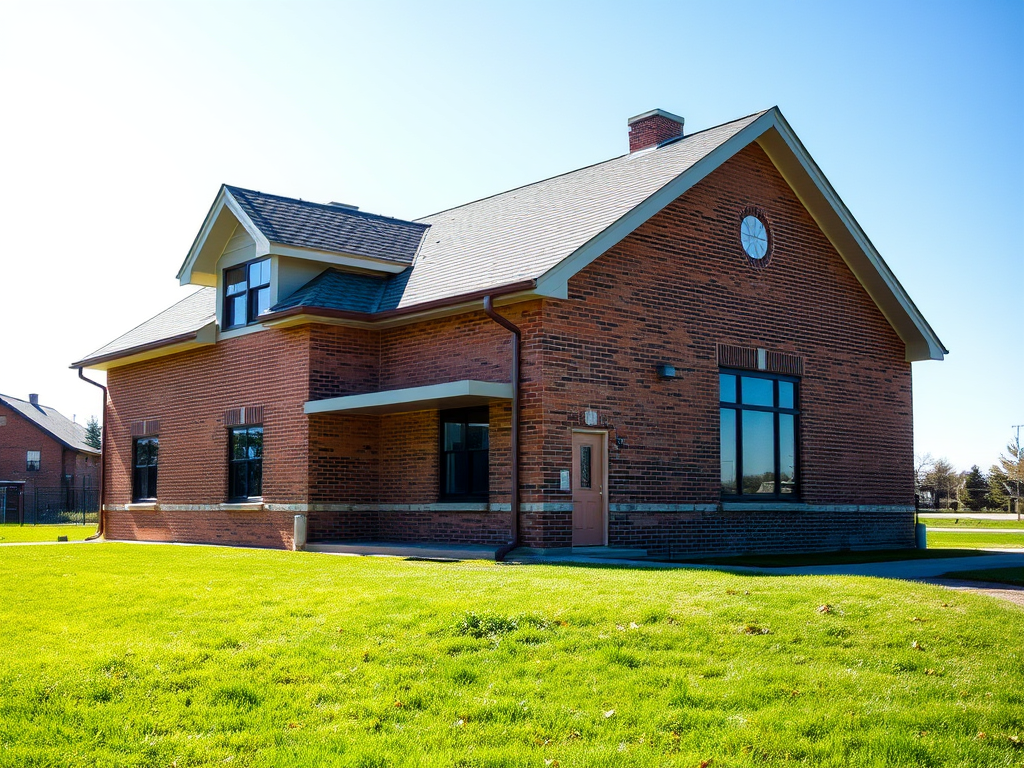
One of the biggest decisions during a PCS move is choosing between on-base and off-base housing. Understanding the pros and cons of each option and considering your family’s lifestyle and priorities will help you make the best choice.
On-Base Housing
📌 Pros
✅ Easier Budget Management
- Housing costs are covered by the Basic Allowance for Housing (BAH), so there’s no need to pay rent separately.
- Many on-base homes include utilities (water, electricity, gas), reducing extra expenses.
✅ Safe and Convenient Environment
- Strict security measures make it a safe place for families.
- Essential facilities like schools, hospitals, and community centers are nearby.
- Living among other military families makes it easier to build a supportive community.
✅ Shorter Commute
- Both service members and spouses benefit from reduced commute times.
- No need to worry about traffic when heading to work.
📌 Cons
❌ Long Waiting Lists
- In popular locations or for specific ranks, waiting lists can be several months long.
- You may have to stay in temporary lodging (TLF) for an extended period.
❌ Varied Housing Conditions
- Some on-base homes are older and may require maintenance.
- Housing sizes are often limited, which may be an issue for larger families.
❌ Limited Privacy and Freedom
- Military rules apply, including regulations on lawn maintenance and garage organization.
- Homes are close together, making privacy more difficult.
Off-Base Housing
📌 Pros
✅ More Housing Options
- You can choose from a wider range of home styles and sizes.
- Find a home that best suits your family’s needs and lifestyle.
✅ Greater Freedom
- No need to follow on-base regulations.
- Opportunity to experience local culture and community life.
✅ Better Education Choices
- You can select a neighborhood with better schools than those on base.
- More flexibility in choosing a school with specific programs that meet your child’s needs.
📌 Cons
❌ Higher Costs
- You must manage rent within your BAH allowance, but some areas have higher housing costs.
- Utilities like electricity, water, gas, and internet may not be included, increasing expenses.
❌ Longer Commute
- Living far from the base means longer commute times.
- In large cities, traffic congestion can be a major issue.
❌ Security Concerns
- Off-base security is not as strict as on base.
- Some neighborhoods may have higher crime rates, so thorough research is necessary.
Which Option is Better?
🚨 On-Base Housing is a Better Fit If:
✔ You prefer a military-centered lifestyle and want to be close to the military community.
✔ You want to reduce commute time.
✔ You need clear and predictable budgeting for housing expenses.
🏡 Off-Base Housing is a Better Fit If:
✔ You want more space and diverse housing options.
✔ You prefer greater independence and integration into the local community.
✔ You prioritize access to high-quality schools for your children.

In our case, we preferred a more private lifestyle and newer homes, so we often chose to live off base. Living on base can sometimes be inconvenient due to ID checks and restrictions on hosting visitors.
However, on-base housing offers many benefits for families with children. Kids can easily interact with other military families, making it easier to find playmates and build a support system. In the evenings, you can often see children playing outside together, and parents feel comfortable entrusting their kids to neighbors. There are also frequent community gatherings and social events, making it easier to form friendships within the military community.
Ultimately, the decision depends on your lifestyle and priorities. Carefully evaluate your family’s needs to make the best choice for your move.
8. Things to Do After PCS
Once you arrive at your new duty station, there are several important tasks to complete to help your family settle in smoothly. Taking care of these responsibilities as soon as possible can reduce stress and ensure a seamless transition.
✅ Base Administrative Procedures
One of the first things to do after a PCS is to complete all necessary administrative tasks on base. This includes registering your new address with the base housing office (if living on base), updating your records with the base personnel office, and registering your vehicle if required. Some bases also have orientation programs for newly arrived families, which can be helpful for learning about available resources and services.
✅ Registering Children for School
If you have school-age children, it’s important to research the school district ahead of time and begin the enrollment process as soon as possible. Many schools require documents such as proof of residence, immunization records, and previous school transcripts. If your child has special education needs or is part of a gifted program, coordinating with the new school in advance can help ensure a smooth transition. Military families may also qualify for assistance programs that support children adjusting to a new school environment.
✅ Healthcare Transfer
Ensuring your family has access to medical care is another critical step. Update your TRICARE (military health insurance) information to reflect your new location and select a primary care provider within the appropriate TRICARE network. If you’re near a military treatment facility, check if you need to enroll in a new clinic. If you have specialists or ongoing medical needs, transferring medical records and confirming appointments should be a priority.
✅ Financial Check-Up
PCS moves can come with unexpected expenses, so reviewing your finances after the move is essential. Submit reimbursement claims for moving costs as soon as possible to avoid delays in processing. The military covers certain expenses, but you may need to provide receipts and documentation to receive full compensation. Additionally, reviewing your household budget after a move can help you adjust to any changes in cost of living, utility payments, or housing expenses at your new location.
By handling these post-PCS tasks promptly, you can settle into yournew home with greater ease and focus on enjoying your new surroundings.
9. Conclusion
Moving to a new duty station through PCS is a significant transition that requires careful planning and preparation. From deciding between on-base and off-base housing to handling administrative tasks, school registrations, and healthcare transfers, every step plays a crucial role in ensuring a smooth transition for the entire family.
Choosing the right housing depends on personal priorities—whether it’s the convenience and security of living on base or the flexibility and variety of off-base housing. Financial planning, including managing moving expenses and submitting reimbursement claims, is also essential for a stress-free PCS experience.
Reflecting on my own journey, our first PCS was overwhelming, but with each move, we gained more experience and found ways to make the process more efficient. Our family has completed both overseas PCS and moves between Hawaii and the mainland U.S. When we relocated from Hawaii to Kentucky, we had a two-year-old and a four-month-old. I focused entirely on caring for the children, while my husband managed all aspects of the move. Through this experience, I learned that dividing responsibilities and maintaining clear communication with your spouse can make a world of difference.
PCS can be challenging, but with thorough preparation and a well-organized approach, it becomes much more manageable. I hope this guide helps you navigate your own PCS journey with greater confidence and ease!

 Global Mom Diary